How Long Do Commercial Construction Projects Take in CT?
See typical commercial construction timelines in Connecticut, from permits through final walkthrough, plus what actually slows projects down.
Key Takeaways
- Small retail build-outs and restaurant conversions in Connecticut typically run 4 to 8 months from lease signing to opening day.
- Office tenant improvements usually take 3 to 9 months, depending on how much of the space needs new mechanical, electrical, and plumbing work.
- Ground-up commercial buildings in southeastern CT generally take 10 to 18 months, counting preconstruction and permitting.
- Connecticut law requires local building officials to act on a complete permit application within 30 days, but plan review, zoning sign-off, and fire marshal approval can still add weeks.
- Historic districts, coastal building requirements, and phasing work around an occupied business are three factors that stretch timelines here more than in most parts of the country.
- We manage permits, demolition, design, and construction under one roof, which is part of why our clients get a straighter answer to "how long will this take" earlier in the process.
There's No Single Answer, and Here's Why
If you've searched this question before landing here, you've probably noticed most articles give you a generic range and move on. A few months for small jobs, a year or more for big ones. That's not wrong, exactly. It's just not that useful if you're trying to plan around a lease start date or a grand opening in New London County.
We're Advanced Construction, and we've been building and renovating commercial properties across Mystic, Stonington, Groton, New London, Waterford, and East Lyme for over three decades. So we get this question a lot, usually in the first phone call.
Here's the honest answer: it depends on what you're building, where you're building it, and whether your business needs to stay open while we do it. Below, we'll walk through realistic timelines by project type, the phases that make up a commercial schedule, and the local factors that tend to catch owners off guard in Connecticut specifically.
Typical Commercial Construction Timelines by Project Type
Retail Build-Outs and Restaurant Conversions
These are usually the fastest commercial projects, running about 4 to 8 months from signed lease to opening. A vanilla retail space with straightforward electrical and plumbing moves toward the shorter end. A restaurant conversion, with its ventilation, grease trap, and health department requirements, tends to run longer even at a similar square footage.
Office and Tenant Improvement Projects
Office buildouts and tenant improvements generally take 3 to 9 months. The range is wide because it depends heavily on how much demolition is involved and whether the existing mechanical systems can be reused or need full replacement. A simple cosmetic refresh moves fast. Gutting a space down to the studs does not.
Ground-Up Commercial Construction
New commercial buildings, from small professional office buildings to retail centers, typically take 10 to 18 months once you count preconstruction, permitting, site work, and construction. Larger institutional or multi-tenant projects can run longer, especially when public bidding or multiple review boards are involved.
Historic and Institutional Buildings
Projects involving historic properties or public institutions in Connecticut tend to run the longest. Historic district review, additional environmental testing for older buildings, and public procurement timelines for schools and municipal projects all add months that a typical commercial project wouldn't face.
The Phases Behind Every Commercial Timeline
Every commercial project moves through roughly the same stages. What changes is how long each one takes.
Preconstruction and Design
Budgeting, scope definition, and construction documents come together here. For most commercial projects in our region, this phase runs 6 to 12 weeks, though a fully custom design-build project can move faster since design and construction planning happen together instead of in sequence.
Permitting in Connecticut
This is where a lot of national timeline guides fall short, because permitting in Connecticut works differently than it does in most states. Connecticut has 169 separate municipalities, and each one runs its own building department under the Connecticut State Building Code. By state law, a building official has to issue or refuse a complete permit application within 30 days. That sounds simple. In practice, zoning approval, fire marshal sign-off, and revisions to incomplete applications can stretch the process out well past that window, especially in busier towns during peak building season.
Demolition and Site Work
For projects that need it, demolition and excavation typically add 2 to 6 weeks. We handle demolition and site work with our own licensed crews and owned equipment, which matters more than most owners realize. If you're relying on subcontractors to book rental equipment, you're at the mercy of somebody else's schedule. We're not.
Construction and Inspections
This is the bulk of the timeline for any project, running anywhere from a few months to well over a year depending on scope. Inspections happen at defined milestones throughout, footings, framing, rough-in trades, and final occupancy, and each one needs sign-off before work moves forward.
Close-Out and Occupancy
Punch list, final inspections, and documentation handoff typically take 2 to 4 weeks. Don't underestimate this stage. A rushed close-out is often where warranty issues and missing paperwork show up later.
What Actually Slows Down Commercial Projects in Southeastern CT
Not sure why your quote came back with a longer timeline than the national average you read online? Three things explain most of it around here.
Coastal building requirements. Projects in Mystic, Stonington, and along the shoreline often need flood zone compliance and elevation certificates that inland projects skip entirely. That review adds time before you ever break ground.
Historic district approval. Older downtowns like Mystic and New London have facade commissions and preservation boards with their own review calendars, separate from the municipal permit process. If your building sits in a historic district, budget extra weeks for that layer alone.
Staying open during construction. Most of our commercial renovation work happens while the business keeps running. Phasing construction around your hours, rather than shutting down for months, is often the right call for revenue, but it does extend the calendar compared to gutting a vacant building all at once.
How We Keep Commercial Timelines on Track
Here's something most contractors won't tell you: a big part of how long your project takes comes down to how many hands are involved and how well they're coordinated.
As a commercial general contractor in Connecticut, we manage preconstruction, trade scheduling, inspections, and close-out under one team, with project values ranging from smaller renovations up through contracts around $1 million. We're licensed as a general contractor, demolition contractor, and lead abatement contractor in Connecticut, and we carry $2 million in general liability coverage with bonding capacity up to $2 million per project through Colonial Surety.
We also run standard AIA contract administration, meaning submittals, RFIs, change orders, and payment applications get handled through a process architects and business owners already recognize, instead of something improvised. Every crew is OSHA-10 trained through the federal Outreach Training Program, which keeps jobsite safety protocols consistent whether you're in a busy retail center or an occupied office building.
And because we hold our own equipment fleet, excavators, skid steers, dump trucks, and more, we're not waiting on a rental company or a third-party sub for site prep. That single detail has saved more than one client's schedule when material or equipment lead times got tight elsewhere.
If your project touches an older building, our renovation and restoration work includes coordination with historical societies and preservation boards, and our lead abatement license covers work on pre-1978 structures where testing is required before renovation can begin. You can see our full scope of licenses on our licenses and certifications page.
Ready to Talk About Your Commercial Project's Timeline?
Every commercial project is a little different, and the fastest way to get a real answer is to talk through your specific scope, site, and location with our team. Advanced Construction has been building and renovating commercial properties across Mystic, New London County, and the surrounding shoreline for over three decades, and we'd rather give you an honest timeline upfront than a rough guess that changes three months in. Contact us today to start the conversation.
Frequently Asked Questions
How long does it take to get a commercial building permit in Connecticut?
State law requires building officials to act on a complete application within 30 days, but zoning sign-off, fire marshal review, and any revisions to an incomplete submission can extend that timeline by several weeks, particularly in busier municipalities.
What's the fastest type of commercial construction project?
Small retail build-outs with minimal mechanical changes are generally the quickest, often completing in 4 to 6 months from lease signing to opening.
Does construction take longer for buildings in historic districts?
In most cases, yes. Historic districts in towns like Mystic and New London require additional review from local preservation boards or facade commissions, which runs separately from the standard municipal permit process.
Can a business stay open during a commercial renovation?
Often, yes. Most of our commercial renovation projects are phased so the business keeps running, though this generally extends the overall schedule compared to renovating a vacant space.
What causes the most delays in commercial construction timelines?
Incomplete permit applications, unexpected site conditions during demolition or excavation, and material lead times tend to cause the most schedule slippage, along with any additional review required for coastal or historic properties.
Do I need a general contractor for a commercial tenant improvement?
For most projects involving structural changes, new mechanical systems, or multiple trades, a licensed general contractor helps manage permitting, subcontractor coordination, and inspections in a way that keeps the project on a realistic schedule.
How far in advance should I start planning a commercial construction project?
Generally speaking, starting the conversation 3 to 6 months before you need to break ground gives enough time for design, permitting, and contractor selection without rushing decisions that affect the final budget or schedule.
Related insights
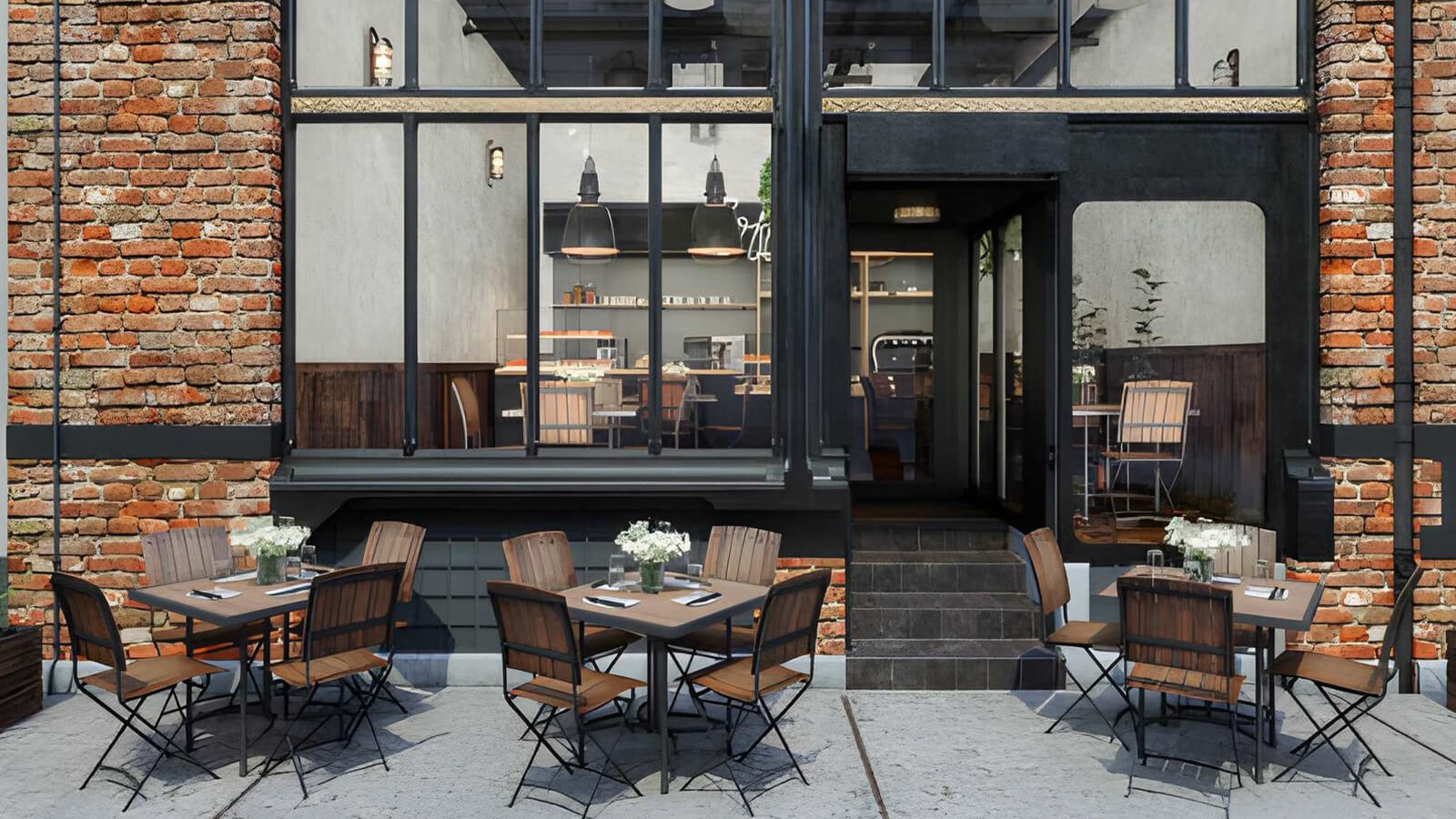
What to Know Before Building a Restaurant in Coastal CT

Top Challenges of Building Homes in Coastal Connecticut