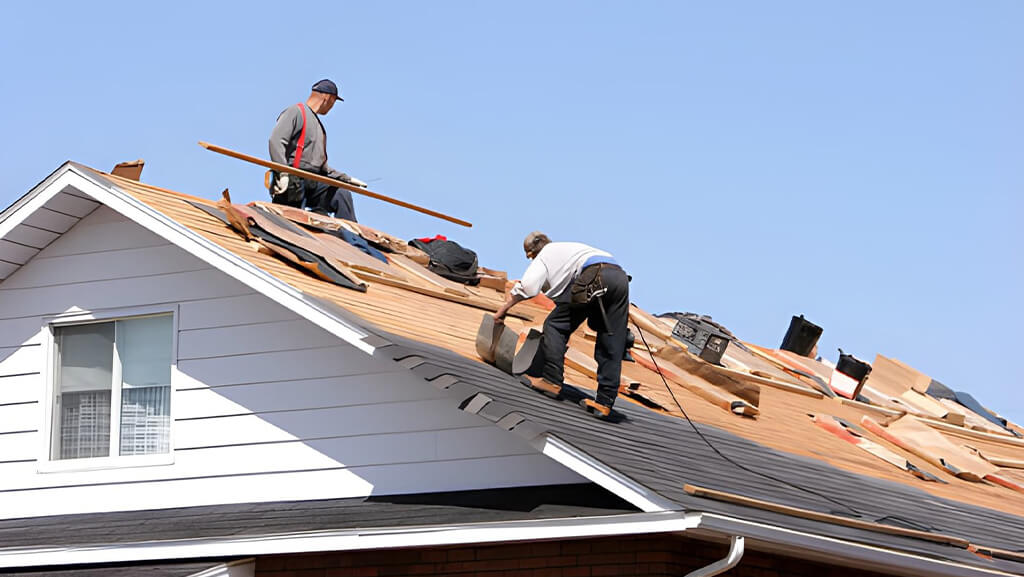
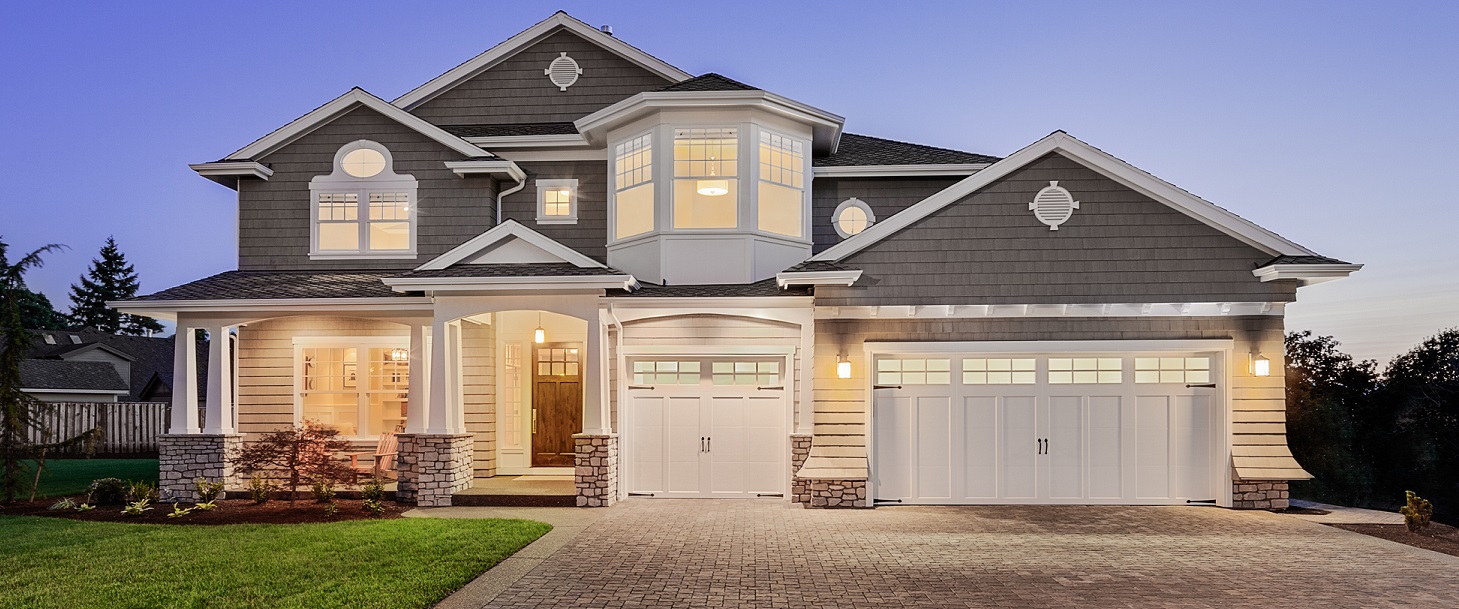
Best Roofing & Siding Materials For Coastal Connecticut Homes
Discover durable roofing and siding materials for coastal CT homes. Expert guide on materials that withstand salt air, wind, and moisture.
Key Takeaways:
- Coastal Connecticut homes require materials specifically engineered to resist salt air corrosion, high winds, and constant moisture exposure
- Architectural asphalt shingles with wind ratings of 110-130 mph and standing seam metal roofing provide superior protection for coastal roofs
- Fiber cement siding outperforms other materials in salt air environments due to its resistance to rot, warping, and corrosion
- Marine-grade fasteners and corrosion-resistant components are essential for extending the lifespan of roofing and siding systems
- Professional installation by experienced coastal contractors ensures proper sealing, ventilation, and compliance with local building codes
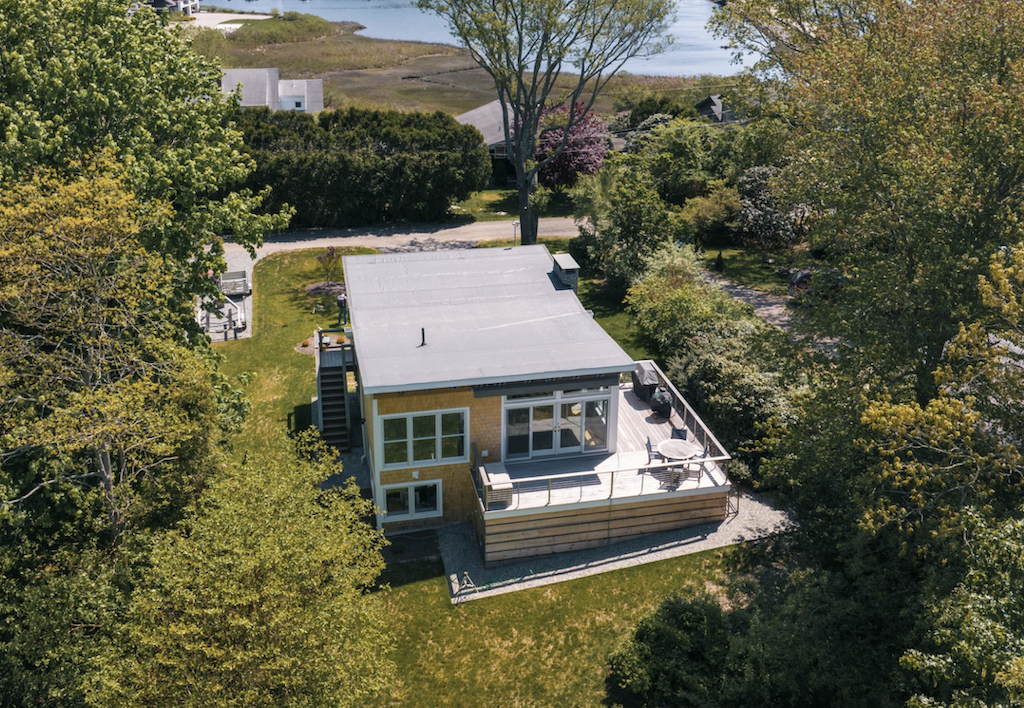
Living along Connecticut's stunning coastline comes with undeniable perks. Whether your home sits in Waterford, East Lyme, or the Mystic-Groton area, you wake up to ocean breezes and beautiful water views. But coastal living also subjects your home to relentless environmental forces that inland properties never face. At Advanced Construction, we've spent over two decades building and renovating homes across New London County's shoreline communities, and we understand exactly what it takes to protect coastal properties from the elements.
Salt-laden air doesn't just affect metal components. It accelerates the breakdown of roofing shingles, degrades sealants, and causes premature aging across your home's entire exterior envelope. High winds during nor'easters can exceed 70 mph, testing every fastener and seal on your roof and siding. Constant humidity creates ideal conditions for mold, mildew, and moisture infiltration. These aren't theoretical concerns. They're daily realities that determine whether your home requires repairs every few years or stands strong for decades.
Choosing the right materials for your coastal Connecticut home isn't about selecting what looks best in a catalog. It's about understanding which products are engineered to withstand the specific challenges our region presents.
Understanding Coastal Connecticut's Unique Environmental Challenges
Before diving into specific materials, you need to understand what your home faces along the Connecticut shoreline. The combination of salt exposure, wind pressure, and moisture creates a perfect storm for building material failure.
Salt air doesn't require crashing waves to cause problems. Coastal Connecticut's prevailing winds carry microscopic salt particles inland, depositing chlorides on roofing and siding surfaces throughout New London County. These chlorides attract and hold moisture against materials, accelerating corrosion of metal components and degrading the protective coatings on shingles and siding. Even homes several miles from the water experience accelerated material breakdown compared to inland properties.
Wind events pose another constant threat. While hurricanes grab headlines, the real damage often comes from sustained winds during nor'easters and severe thunderstorms. According to building code requirements, coastal homes in Connecticut should use materials rated to withstand sustained winds of at least 110 mph, with enhanced products offering protection up to 130-160 mph for properties in the most exposed locations.
Moisture penetration represents the third major challenge. Coastal homes experience higher ambient humidity, frequent rain, and occasional wind-driven precipitation that tests every seal and joint. Without proper material selection and installation, water finds its way behind siding, under shingles, and into wall cavities where it causes rot, mold growth, and structural damage.
At Advanced Construction, we've witnessed firsthand how these forces destroy substandard materials. We've replaced roofs that failed after just 10-15 years because homeowners chose products designed for inland climates. We've remediated extensive moisture damage behind vinyl siding that couldn't handle coastal humidity. These expensive lessons taught us which materials truly perform in our coastal environment.
Top Roofing Materials That Thrive in Coastal Conditions
Your roof represents your home's primary defense against coastal weather. The right materials don't just survive in salt air and high winds. They excel in these conditions while maintaining their appearance and performance for decades.
Architectural Asphalt Shingles: The Proven Performer
Architectural asphalt shingles dominate coastal Connecticut roofing for good reason. Modern architectural shingles offer dramatically improved performance compared to outdated three-tab products. Their multi-layered construction provides superior wind resistance, better impact protection, and longer lifespan.
We exclusively work with premium manufacturers like CertainTeed for our coastal projects. CertainTeed architectural shingles come with wind ratings up to 130 mph when properly installed with matching starter strips and hip-ridge components. Their StreakFighter technology incorporates copper-containing granules that prevent the algae growth common in humid coastal environments.
The key specification for coastal applications is Class A fire resistance combined with algae resistance and high wind ratings. Advanced Construction installs architectural shingles rated for 110-130 mph winds across our coastal service area. These products feature enhanced adhesive strips and reinforced construction that keeps shingles sealed to the roof deck even during severe storms.
Installation quality matters as much as material selection. We use high-temperature ice and water shields along eaves, valleys, and ridges to create a secondary waterproof barrier. Proper underlayment installation prevents water infiltration even if shingles are compromised during extreme weather events.
Standing Seam Metal Roofing: Premium Protection
For homeowners seeking maximum durability and storm resistance, standing seam metal roofing delivers unmatched performance in coastal applications. This premium option features vertical panels with raised seams that interlock, creating a continuous weathertight surface without exposed fasteners.
Metal roofing excels in coastal environments when properly specified. Aluminum and coated steel panels resist salt air corrosion that would quickly destroy standard galvanized materials. Modern metal roofing systems with PVDF coatings can last 50-70 years in marine environments while maintaining their appearance and protective qualities.
Standing seam metal roofs shed water efficiently, resist wind uplift through their concealed fastener systems, and handle impact from wind-borne debris better than most alternatives. They're also highly energy-efficient, reflecting solar heat to reduce cooling costs during Connecticut's humid summers.
The investment in metal roofing pays dividends through reduced maintenance requirements and exceptional longevity. While initial costs run higher than architectural shingles, the lifespan of 50-plus years often means you'll never need another roof replacement.
Synthetic Slate and Composite Shakes: Aesthetic Durability
Synthetic roofing materials combine the classic appearance of natural slate or wood shakes with engineered durability. These products resist moisture, salt exposure, and UV damage while maintaining their color and texture far longer than natural materials.
Synthetic products offer several advantages for coastal applications. They're lightweight compared to natural slate, reducing structural loading while maintaining the upscale aesthetic many homeowners desire. They resist the moisture absorption and decay that destroys natural wood shakes in humid coastal environments. Most importantly, quality synthetic products come with impact resistance ratings and wind warranties comparable to premium architectural shingles.
Advanced Construction recommends synthetic materials for homeowners who want distinctive aesthetics without the maintenance demands and vulnerability of natural products. These materials perform particularly well on coastal projects where salt air would quickly degrade natural wood.
Superior Siding Materials For Coastal Connecticut Properties
While roofing protects you from above, siding forms your home's protective shell against horizontal wind and rain. Coastal siding must resist moisture penetration, withstand salt air corrosion, and maintain its appearance despite constant UV exposure.
Fiber Cement Siding: The Coastal Champion
Fiber cement siding stands as the gold standard for coastal applications. Made from a blend of cement, sand, and cellulose fibers, this material excels in every metric that matters for shoreline homes. It doesn't rot, warp, or crack under moisture exposure. It resists salt air corrosion that destroys other materials. It maintains dimensional stability through temperature swings and humidity changes.
James Hardie fiber cement products specifically engineer their siding for different climate zones, with their HZ10 and HZ5 formulations designed to withstand extreme coastal conditions including salt spray, high humidity, and hurricane-force winds. These products carry 30-year warranties and can last 50-plus years with minimal maintenance in coastal environments.
We install fiber cement siding on the majority of our coastal renovation projects. The material holds paint exceptionally well, resisting the fading and chalking common with other products. It's non-combustible, providing superior fire resistance compared to vinyl or wood alternatives. Most importantly, it provides genuine long-term value by eliminating the rot, insect damage, and weathering that plague other materials.
Factory-painted fiber cement offers the best longevity and lowest maintenance. The controlled factory coating process ensures consistent coverage and adhesion that field-applied paint can't match. Many manufacturers offer 15-year paint warranties when you select factory finishes.
Engineered Wood Siding: Natural Beauty With Enhanced Performance
Modern engineered wood products have evolved dramatically from earlier versions that failed in coastal environments. New-generation engineered wood features water-resistant resins and durable coatings that perform well in humid coastal air. These products offer the warmth and texture of natural wood with significantly improved moisture resistance.
Quality engineered wood products require proper installation with adequate clearances and water management details. When installed correctly by experienced contractors, they provide an attractive middle ground between natural wood aesthetics and synthetic durability. We recommend engineered wood for protected areas and when homeowners specifically desire a wood-grain appearance.
Always verify that manufacturer warranties cover coastal applications. Some engineered wood products exclude shoreline installations from warranty coverage, signaling that the manufacturer lacks confidence in the product's coastal performance.
PVC and Composite Trim: Corrosion-Free Details
Even when you select premium siding materials, trim components around windows, doors, corners, and soffits face intense exposure to moisture and salt air. PVC and composite trim products eliminate the rot and decay that destroys wood trim in coastal environments.
These materials maintain their integrity indefinitely without painting or sealing. They resist moisture infiltration at joints and connections. They don't expand and contract excessively with temperature changes. For fascia boards, corner trim, and decorative elements, PVC and composite products dramatically reduce maintenance while improving long-term durability.
Advanced Construction integrates these materials into our roofing and siding projects to create complete weather-resistant assemblies. The combination of fiber cement siding with PVC trim delivers superior performance compared to mixing materials with different expansion rates and moisture resistance characteristics.
Why Material Quality And Installation Details Matter
Premium materials only deliver their promised performance when properly installed with compatible components and correct details. Coastal construction demands attention to specifications that inland builders often overlook.
Marine-Grade Fasteners And Flashing
Standard galvanized fasteners corrode rapidly in salt air, compromising roof and siding integrity within years. Coastal building standards increasingly specify Type 316 stainless steel fasteners for exterior applications, particularly in the most aggressive salt exposure zones. These fasteners resist chloride corrosion that destroys standard hardware.
Flashing metals require similar attention. We use stainless steel, coated aluminum, or copper flashing around chimneys, valleys, skylights, and wall intersections. These materials maintain their integrity and waterproofing function for decades in coastal environments.
Proper Ventilation And Moisture Management
Coastal homes experience higher humidity levels both outside and inside the building envelope. Without adequate ventilation, this moisture condenses in attic spaces and wall cavities, leading to mold growth, insulation damage, and wood rot.
Advanced Construction designs ventilation systems that move air through attic spaces and behind siding to prevent moisture accumulation. Continuous soffit and ridge vents, combined with proper attic insulation, maintain temperature and humidity within acceptable ranges. Behind siding, we install rainscreen systems or ensure adequate drainage planes to prevent moisture from becoming trapped against sheathing.
Understanding Local Coastal Regulations
Connecticut's coastal communities enforce specific building requirements for properties near the shoreline. Coastal Area Management (CAM) regulations, FEMA flood compliance rules, and local zoning setbacks all affect material selection and construction methods.
As experienced coastal builders, we navigate these regulatory requirements daily. We understand which materials and installation methods satisfy local inspectors while delivering superior long-term performance. This expertise prevents costly delays and ensures your project complies with all applicable codes.
Advanced Construction's Coastal Expertise
We've built our reputation on successful coastal projects throughout New London County. Our CertainTeed Select Shingle Master Accreditation and certifications from Duro-last, Mule-Hide, Owen Corning, and Genflex demonstrate our commitment to proper material selection and installation techniques.
Our experience with projects in Waterford, East Lyme, Mystic, Groton, and other shoreline communities has taught us which products truly perform and which fail prematurely. We've developed relationships with manufacturers who stand behind their products in coastal applications. We maintain rigorous installation standards that exceed minimum code requirements.
When you work with Advanced Construction on roofing or siding projects, you benefit from our decades of coastal construction experience. We don't learn on your project. We apply proven systems and materials that protect your investment for decades.
Maintenance Practices That Extend Material Lifespan
Even the best materials require periodic maintenance to achieve their maximum lifespan in coastal environments. Regular care prevents small issues from becoming expensive problems.
Annual inspections should examine roofing and siding for any signs of damage, displaced shingles, loose siding panels, or deteriorating caulk and sealants. Catching these issues early prevents water infiltration and secondary damage.
Cleaning salt deposits from roofing and siding extends material life significantly. A gentle freshwater rinse after major storms removes accumulated salt before it attracts moisture and accelerates degradation. Avoid pressure washers that can damage protective coatings and force water behind siding panels.
Maintain proper clearances around your home. Trim vegetation away from siding and roofing. Remove debris from gutters and valleys promptly. Keep roof surfaces clear of pine needles, leaves, and organic material that holds moisture against shingles.
Making The Right Material Investment
Choosing roofing and siding materials for coastal Connecticut homes requires balancing upfront costs against long-term performance and maintenance expenses. While premium products cost more initially, they typically deliver superior value through extended lifespan, reduced maintenance, and better protection of your home's structure.
Consider the total cost of ownership over 20-30 years rather than just installation prices. A fiber cement siding installation might cost more than vinyl initially, but it eliminates the painting, rot repair, and eventual replacement that vinyl requires. Similarly, architectural shingles rated for 130 mph winds cost more than basic products but provide genuine storm protection and longer service life.
Insurance considerations also favor quality materials. Many insurers offer premium discounts for impact-resistant roofing and fire-resistant siding. Some refuse to cover homes with materials that don't meet minimum coastal wind ratings. Quality materials protect both your physical investment and your insurance coverage.
Protecting Your Coastal Investment
Your coastal Connecticut home represents a significant investment that deserves protection appropriate to its environment. The right roofing and siding materials don't just improve aesthetics. They provide genuine storm protection, resist the corrosive effects of salt air, and maintain their integrity through decades of exposure to coastal weather.
At Advanced Construction, we've dedicated our expertise to helping homeowners throughout New London County protect their properties with materials and installation techniques proven to perform in our coastal environment. From our office in historic downtown Mystic, we serve communities across the Connecticut shoreline with the knowledge and experience that only comes from years of successful coastal construction.
Whether you're planning a complete exterior renovation, replacing an aging roof, or building a new custom home near the water, the materials you choose today will determine your home's performance for decades to come.
Frequently Asked Questions
How long does fiber cement siding last in coastal Connecticut?
Properly installed fiber cement siding typically lasts 50-70 years in coastal environments. The material resists rot, insect damage, and salt air corrosion that destroy other siding options. Regular cleaning and occasional repainting every 15-20 years maintain its appearance, but the material itself remains structurally sound for decades longer than wood or vinyl alternatives.
What wind rating should roofing shingles have for coastal CT homes?
Coastal Connecticut homes should use architectural shingles rated for at least 110 mph sustained winds, with properties in the most exposed locations benefiting from products rated to 130 mph. These ratings apply when shingles are installed according to manufacturer specifications with compatible starter strips and hip-ridge products. Standard three-tab shingles with 60-70 mph ratings are inadequate for coastal applications.
Do metal roofs rust in salt air environments?
Quality metal roofing systems using aluminum or properly coated steel resist rust and corrosion in coastal environments. Look for products with marine-grade coatings such as PVDF (polyvinylidene fluoride) finishes or Galvalume steel. Avoid standard galvanized materials that corrode rapidly in salt air. When installed with stainless steel or coated fasteners, metal roofing can last 50-plus years in coastal Connecticut without rust issues.
Is vinyl siding suitable for coastal homes?
While vinyl siding offers affordability and low maintenance, it performs less well in coastal environments compared to fiber cement or engineered wood. Vinyl can become brittle in temperature extremes, may trap moisture behind panels leading to mold issues, and lacks the premium appearance of other materials. For coastal applications, vinyl represents a compromise choice that may require earlier replacement than more durable alternatives.
How often should coastal roofs be inspected?
Coastal Connecticut roofs should receive professional inspections annually, ideally in spring after winter storms and again in fall before severe weather season. Additionally, inspect after any major storm event with high winds or heavy precipitation. Regular inspections catch minor issues like displaced shingles, damaged flashing, or deteriorating seals before they allow water infiltration and cause expensive secondary damage.
What makes CertainTeed shingles good for coastal areas?
CertainTeed architectural shingles incorporate several features that enhance coastal performance. Their StreakFighter technology with copper-containing granules prevents algae growth common in humid environments. Wind ratings up to 130 mph when properly installed provide genuine storm protection. Class A fire resistance and impact resistance options deliver additional security. Most importantly, CertainTeed offers region-specific formulations and comprehensive warranties that cover coastal applications.
Should I use the same contractor for roofing and siding work?
Using a single contractor like Advanced Construction for both roofing and siding ensures proper coordination of water management details, material compatibility, and warranty coverage. The intersection between roofing and siding represents a critical area for preventing water infiltration. Contractors experienced in complete exterior renovations understand how these systems work together to protect your home. This coordination becomes even more important for coastal projects where installation details directly affect long-term performance.
Ready To Protect Your Coastal Connecticut Home?
Don't leave your home's protection to chance. The coastal environment demands materials and installation expertise that only experienced contractors can provide. At Advanced Construction, we combine decades of coastal construction experience with manufacturer certifications and proven installation techniques to deliver roofing and siding systems that truly perform in New London County's challenging conditions.
Contact us today to discuss your roofing or siding project. We'll evaluate your home's specific exposure conditions, recommend materials appropriate for your location and budget, and provide a detailed proposal backed by our commitment to quality craftsmanship. Let us show you how the right materials and proper installation protect your coastal investment for decades to come.
Related insights
What to Know Before Building a Restaurant in Coastal CT

Top Challenges of Building Homes in Coastal Connecticut